Planning New Construction with a Strong Foundation
Starting new construction is an exciting but meticulous process. A strong foundation is the vital first step in ensuring your home or building stands the test of time. Without it, your project is vulnerable to countless structural risks, especially in regions like Texas and Louisiana that experience challenges like expansive clay soils, heavy rainfall, and shifting ground.
Building a strong foundation is more than just pouring concrete. It involves proper site preparation, understanding regional soil conditions, and choosing advanced techniques to mitigate future risks. This blog will walk you through planning a new construction project with a foundation built to last.
Why Foundations Matter
The foundation is more than just the base of a structure. It ensures weight distribution, resists environmental shifts, and keeps moisture out of your home. If it’s weak or improperly designed, you risk cracks, uneven settling, and other costly problems.
A well-planned foundation provides stability, resists time and wear, and adds long-term value to your home. This is why the planning stage is critical.
Key Considerations for Planning a Strong Foundation
- Conducting a Thorough Site Assessment
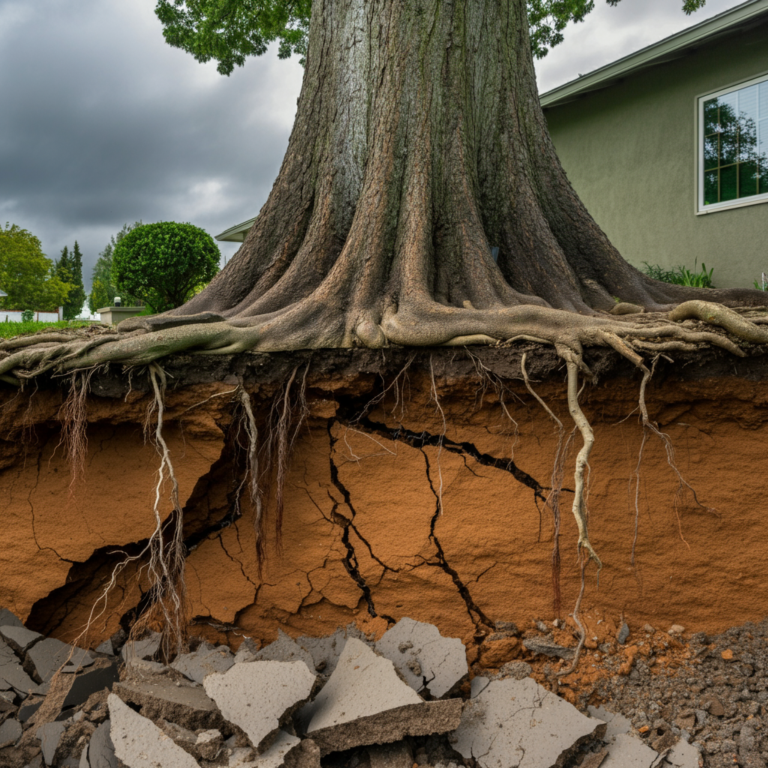
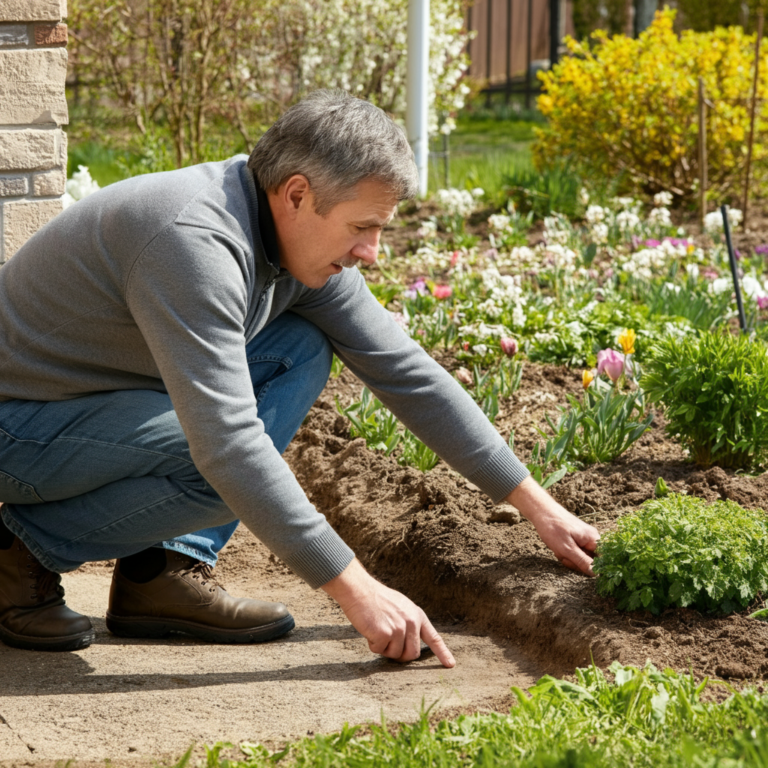
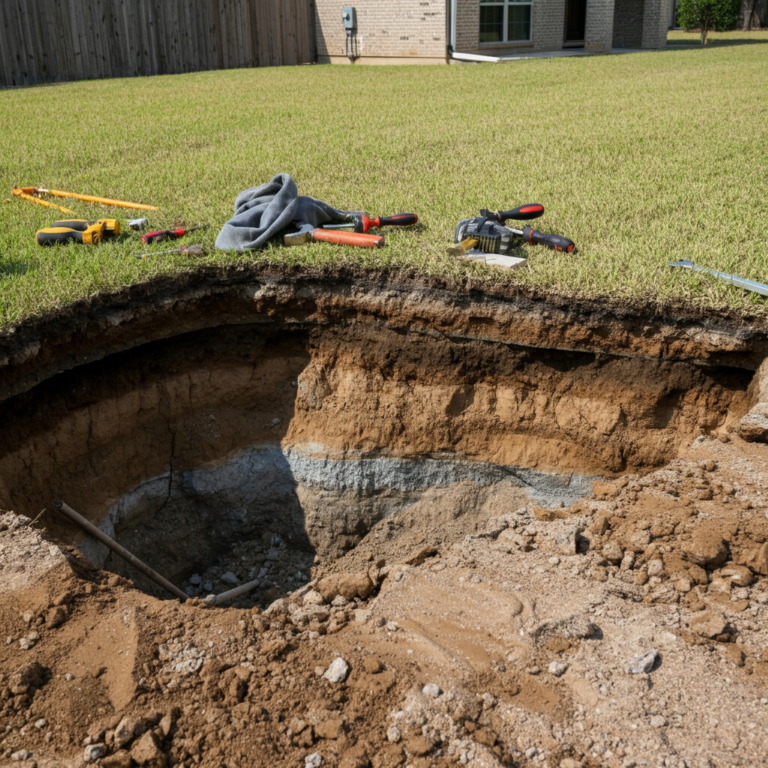
Before digging or laying the first brick, it’s essential to evaluate the land. This includes checking for slope, potential flooding hazards, and soil composition.- For Texas and Louisiana: Many homes face risks from expansive clay soils that shrink and swell with moisture changes. Conducting a soil test helps you understand its capacity to bear loads.
- Tip: Hire a geotechnical engineer to provide insights into soil properties and recommend adjustments if necessary.
- Choosing the Right Foundation Type
Foundations aren’t one-size-fits-all. The design needs to match the property’s needs.- Slab-on-Grade Foundations: Common in regions like Texas, where frost levels are minimal.
- Pier and Beam Foundations: Ideal for areas prone to flooding, like parts of Louisiana.
- Basement Foundations: These require more digging but create extra storage or living space while offering resistance to ground movement.
- Preparing Subsurface Drainage Systems
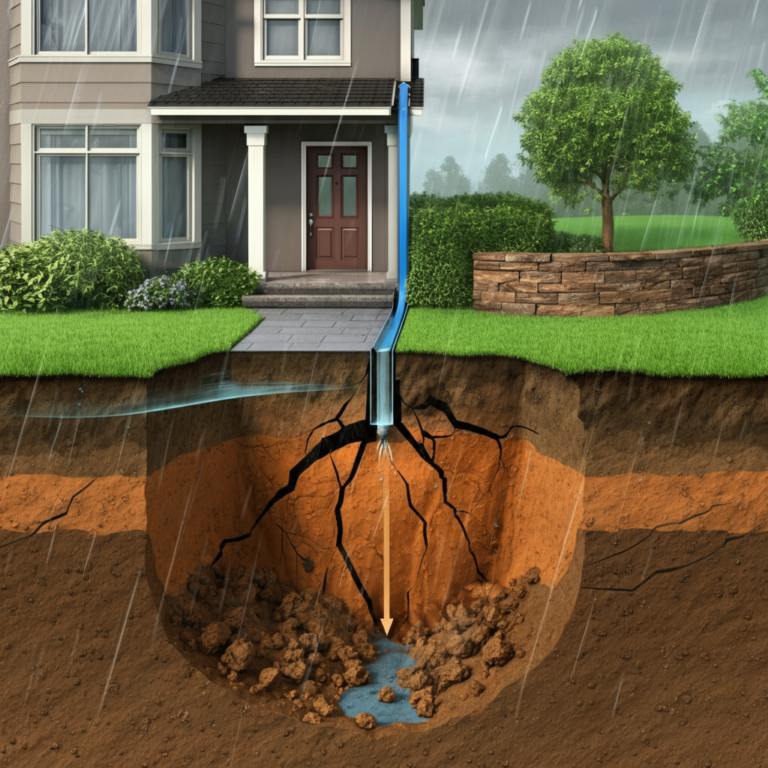
Water accumulation under your foundation is a major risk. Installing French drains or waterproof barriers can prevent seepage that weakens the structure over time. - Reinforcement Techniques for Stability
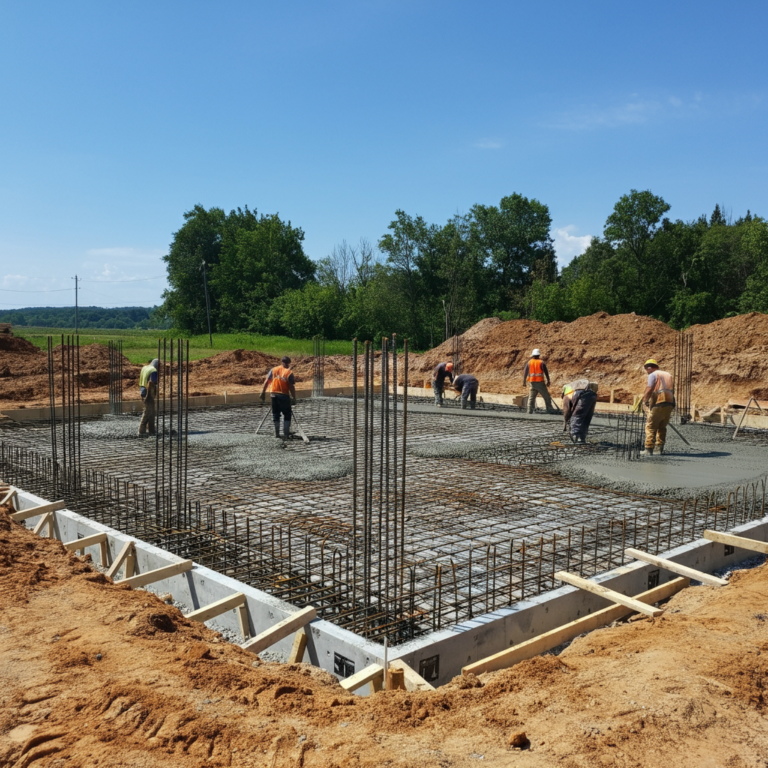
Use advanced reinforcement methods to bolster durability. For example, adding rebar grids inside poured concrete boosts load-bearing capacity. - Adhering to Building Codes
Both Texas and Louisiana have specific building requirements to address environmental conditions. Ensure your construction adheres to state and local codes to avoid legal and safety issues.
The Construction Process
- Excavation and Site Preparation
The site is cleared of vegetation, rocks, and debris. For areas with unstable soil, additional measures like compacting or importing gravel are taken to stabilize the ground. - Pouring Footings
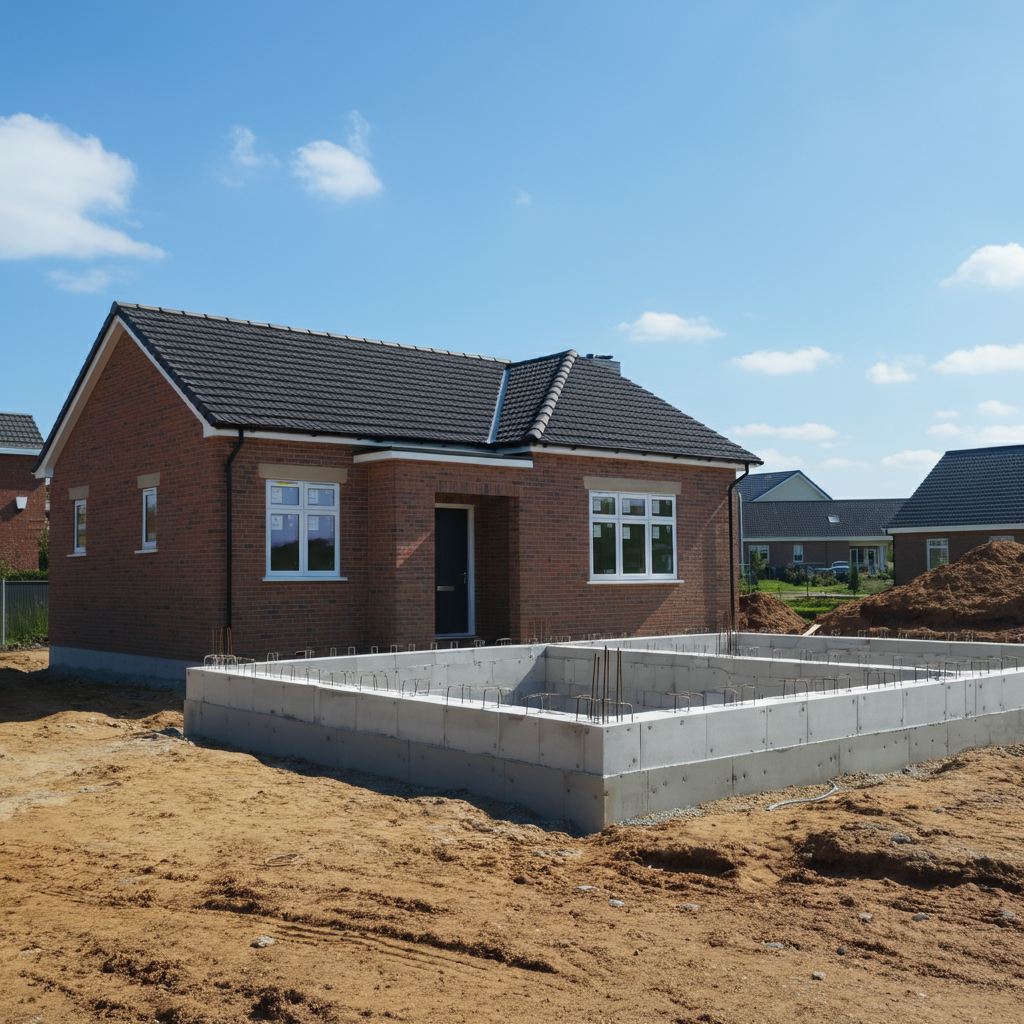
Footings act as the “feet” of your foundation, spreading the weight evenly. The size and depth are determined based on the load your structure will bear and the regional soil characteristics. - Laying the Foundation
Depending on your foundation type, the structure (pier, slab, or block) is formed. Special care is taken to keep it level to avoid uneven settling later. - Curing and Waterproofing
Concrete requires curing time for maximum strength. Once cured, waterproof materials, such as bituminous coatings or membranes, are added to prevent future water damage. - Adding Reinforcements
Additional steps, like steel beams or anchored bolts, may be added for extra stability.
Mistakes to Avoid During Foundation Planning
- Ignoring Soil Conditions
- Using Substandard Materials
- Skipping Reinforcement Tests
- Rushing the Curing Process
- Failing to Account for Drainage Systems
Invest in Your Foundation’s Future
While planning construction, prioritize quality over cost. Working with experienced contractors like Alterri Henri Foundation Repair ensures you get expert advice and a durable final product. A poorly planned foundation might save you money initially, but it will cost far more in repairs down the road.