Foundation Footings – The Backbone of Structural Integrity
Your home’s foundation is only as strong as the footings that support it. While much of a foundation’s structure is designed to distribute the weight of your home, footings serve the critical purpose of transferring that load into the ground beneath. Essentially, they act as the unsung heroes of construction, quietly keeping your home steady and secure.
For homeowners in Texas and Louisiana, understanding the importance of foundation footings is even more critical. The unique challenges posed by expansive clay soils, frequent rains, and shifting weather patterns make properly constructed footings a must for structural stability. This blog will cover everything you need to know about foundation footings—from how they work and their types to how to recognize footing-related problems and why they matter to your home’s integrity.
What Are Foundation Footings?
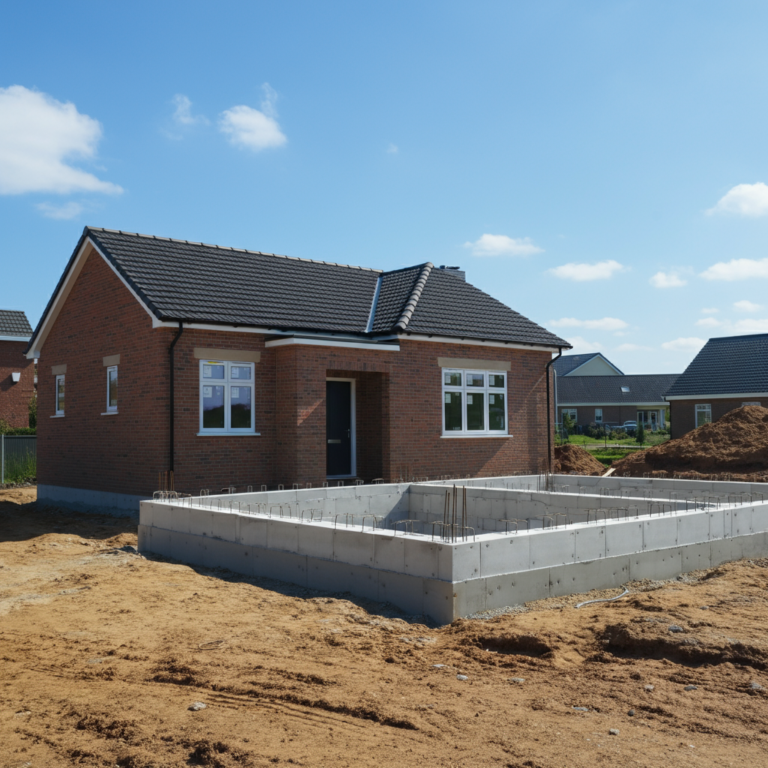
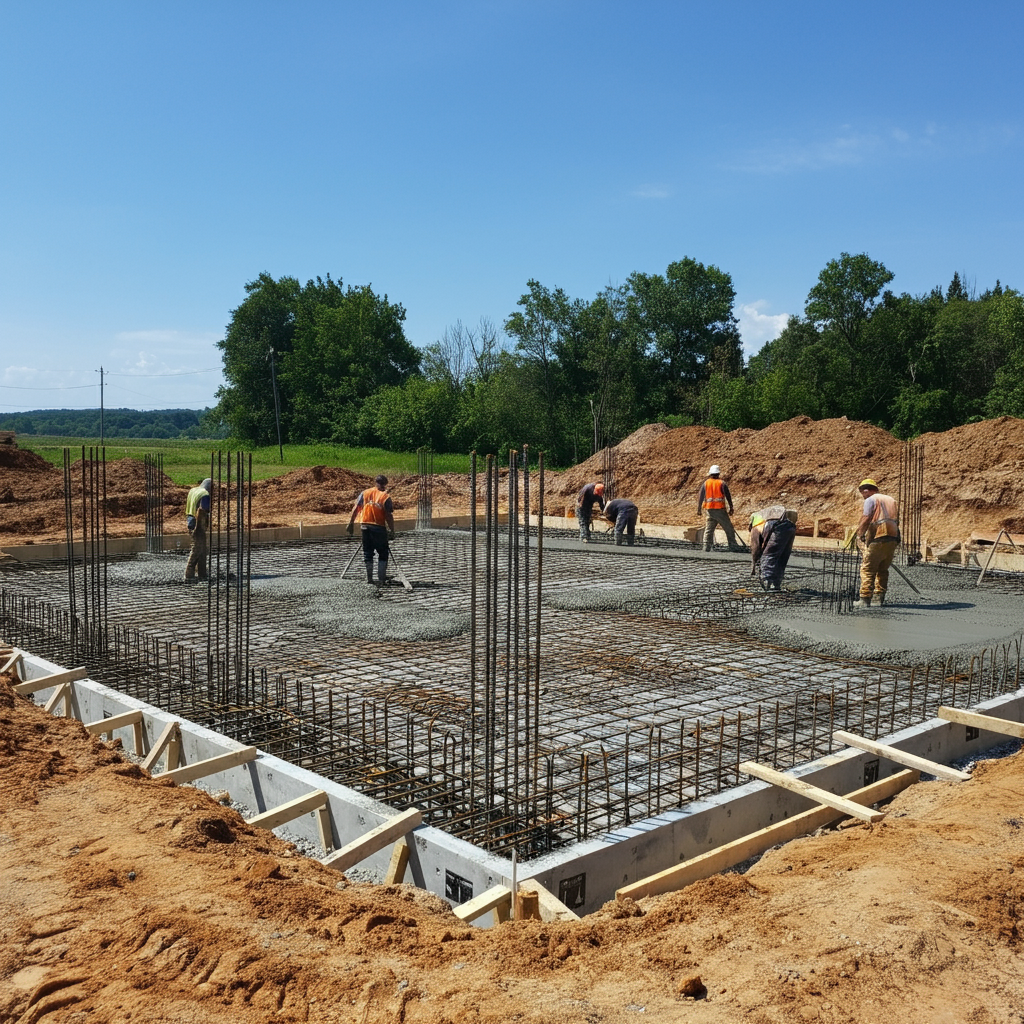
Foundation footings are concrete components installed at the base of your foundation walls, piers, or columns. Their primary purpose is to distribute the weight of your home over a wider area of soil, preventing excessive settling, shifting, or sinking. This is especially important for regions where soil conditions may fluctuate, like those found in Texas and Louisiana.
Think of foundation footings as the strong, sturdy shoulders your home rests on. Without them, the weight of your entire structure would push directly on the soil, causing uneven settling and structural damage. Footings ensure stability by providing a solid, balanced connection between the foundation and the ground.
How Footings Work
Footings distribute the load of the entire structure across a larger area of soil. This prevents concentrated pressure that could cause the soil to give way. The key factors that influence how effectively a footing performs include:
- Size: Footings must be proportional to the weight and type of structure they support. A one-story home will require smaller footings than a multi-story building.
- Depth: Footings must be placed far enough below the soil’s surface to avoid being affected by frost, swelling soil, or erosion.
- Reinforcement: Reinforcing the concrete with steel bars (rebar) adds extra strength and flexibility to the footings, minimizing cracking or failure.
For Texas and Louisiana residents, where soil composition can vary greatly and weather conditions are unpredictable, correctly engineered footings are especially vital.
Common Types of Foundation Footings
Foundation footings can take several forms, each suited to specific needs and site conditions. Below are the most common types of footings used in residential construction.
1. Strip Footings
Strip footings are long, continuous strips of concrete typically used to support load-bearing walls. They’re ideal for homes built with slab-on-grade foundations and are common in areas with relatively stable soil.
2. Spread Footings
Spread footings, also called isolated footings, are square or rectangular pads of reinforced concrete placed beneath columns or piers. They “spread” the load across a wider area, making them suitable for homes with uneven loads or properties with softer soil.
3. Stepped Footings
When building on sloped terrain, stepped footings are a go-to option. They “step down” at intervals to accommodate changes in elevation, helping stabilize the structure on uneven soil.
4. Pile Footings
Pile footings are used when the surface soil lacks the strength to support the home’s weight. These footings rely on deep piles driven far into the ground to transfer the load to stronger soil or bedrock.
5. Mat Footings
Mat footings, or raft foundations, cover the entire footprint of a building with a thick slab of reinforced concrete. They’re ideal for large homes or where soil conditions demand stronger support.
Challenges Unique to Texas and Louisiana
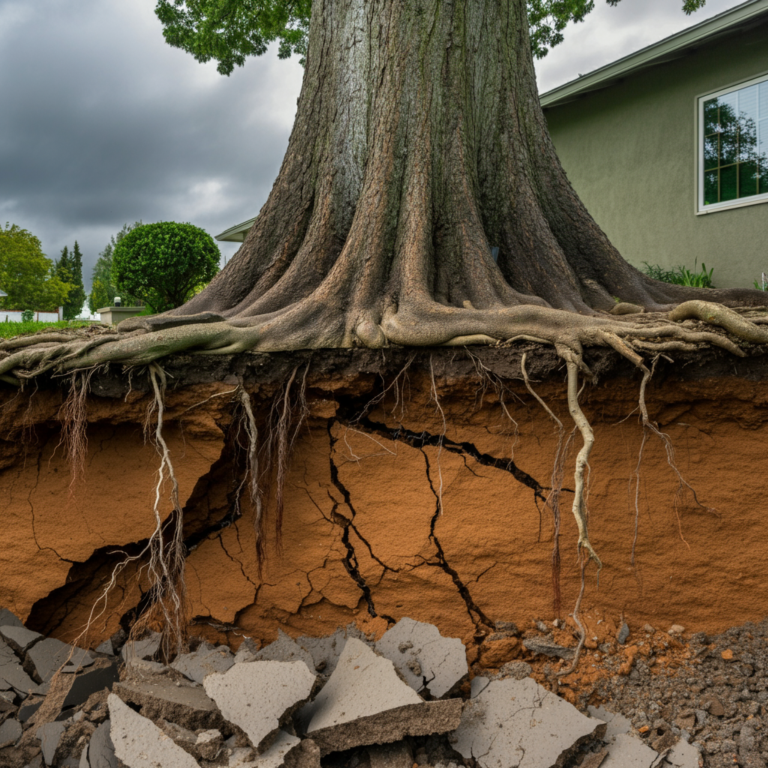
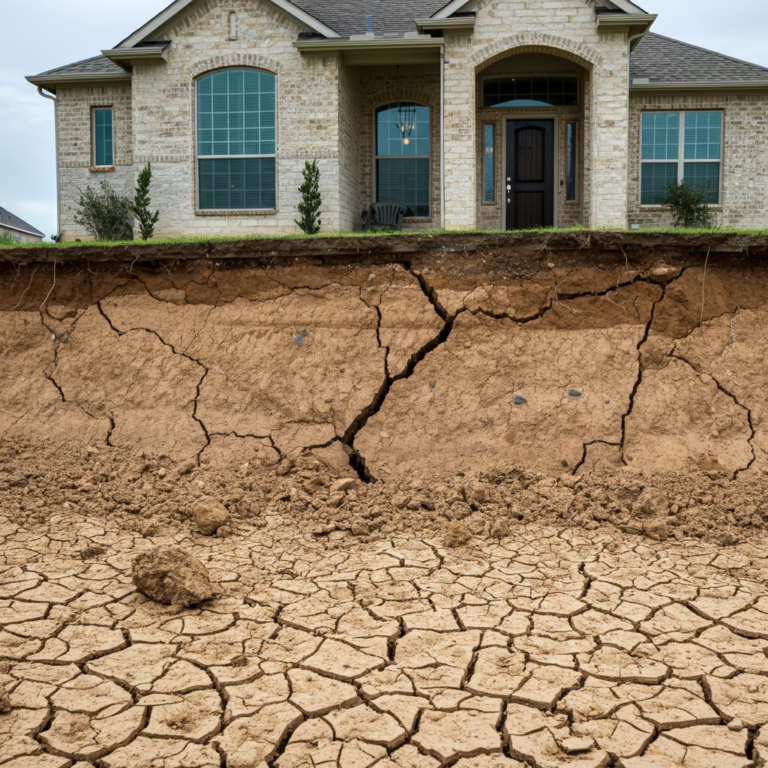
The conditions in Texas and Louisiana make proper footing design especially important. The clay content of the soil in these states is notoriously high, which means it expands when wet and shrinks when dry. This constant fluctuation can wreak havoc on improperly designed foundations.
Additionally, frequent rainfall and the risk of flooding highlight the importance of well-drained, reinforced footing systems. Footings must be designed to resist erosion, flooding, and the pressures of unstable soil.
Signs of Footing Problems
Issues with your foundation footings can lead to significant structural problems if not addressed promptly. Be on the lookout for these warning signs:
- Foundation Cracks: Horizontal or diagonal cracks may indicate soil movement beneath the footings.
- Uneven Floors: Sloping or sagging floors often result from footing failure causing part of the foundation to settle unevenly.
- Wall Separation: Gaps between walls and flooring or ceilings may signal shifting or sinking footings.
- Water Pooling Around the Home: Poor drainage can weaken footings over time, leading to uneven settling or cracking.
If you notice any of these issues, it’s critical to consult a foundation repair specialist immediately.
Repairing and Reinforcing Foundation Footings
When footing problems arise, repair is essential to maintain the structural stability of your home. Here are some common methods used to address footing issues:
1. Underpinning
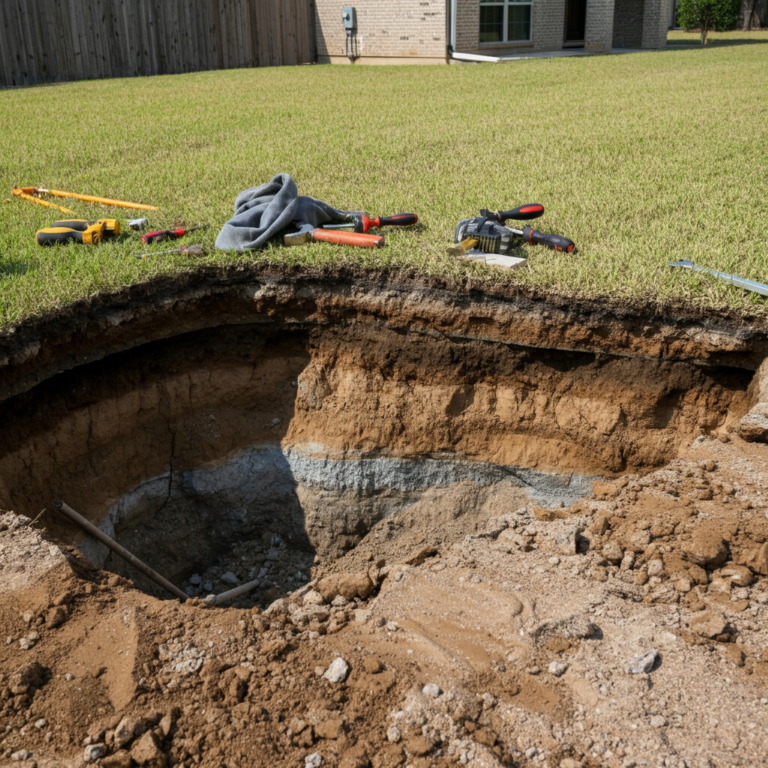
Underpinning involves strengthening or replacing the existing footings to improve their load-bearing capacity. Techniques like installing helical piers or push piers are often used alongside underpinning to stabilize the foundation.
2. Mudjacking or Slab Jacking
This technique fills voids beneath settled concrete footings, lifting and re-leveling the foundation. It’s a cost-effective solution for minor settling.
3. Installing Drainage Systems
Improving your home’s drainage can prevent water buildup around the footings, minimizing future damage. Options include French drains, gutter extensions, and sump pumps.
4. Reinforcement with Rebar
Sometimes, footings can be retrofitted with additional rebar to improve their strength and durability.
Preventing Foundation Footing Issues
Prevention is always better than repair. Homeowners can take the following steps to avoid footing problems:
- Ensure Proper Drainage: Direct water away from your home with well-maintained gutters, French drains, and proper grading.
- Schedule Soil Testing: Before building or adding onto a home, test the soil to ensure it can support the weight of your structure.
- Maintain Consistent Moisture Levels: Avoid allowing soil around your foundation to dry out completely, especially during hot and dry Texas summers.
Real-Life Case Study
A homeowner in the Dallas area noticed widening cracks along the exterior brickwork. After a detailed inspection, it was revealed that the home’s strip footings were settling unevenly due to poor drainage and expansive clay soil. Alterri Henri Foundation Repair & Construction installed helical piers to stabilize the footings, regraded the property to improve water flow, and reinforced the affected areas with steel rebar. These steps restored the home’s stability and ensured no further settling occurred.
Trust the Experts at Alterri Henri Foundation Repair & Construction
Your foundation footings are the bedrock of your home’s stability, and even the smallest issues can lead to significant damage if left unaddressed. At Alterri Henri Foundation Repair & Construction, we specialize in assessing and repairing foundation footing problems for homeowners in Texas and Louisiana. With decades of local experience and a customer-first approach, we deliver solutions tailored to your property’s unique needs.
Think your foundation footings might be compromised? Don’t wait for the damage to worsen. Contact Alterri Henri Foundation Repair & Construction today for a no-obligation consultation. Protect your home with expert solutions that last for years to come.