Common Foundation Repair Problems and How to Address Them
Your home’s foundation is the base that supports everything, from the walls to the roof above. However, over time, many factors can create problems that jeopardize the foundation’s stability and your home’s structural integrity. Addressing these issues early is crucial to preventing expensive repairs and, in some cases, safeguarding the safety of your home.
For homeowners in Texas and Louisiana, where the ground is prone to expansion, contraction, and floods, foundation problems are unfortunately quite common. This blog outlines the most frequent foundation repair issues, why they happen, how to identify early warning signs, and effective solutions to give you peace of mind.
The Most Common Foundation Issues
1. Cracks in the Foundation
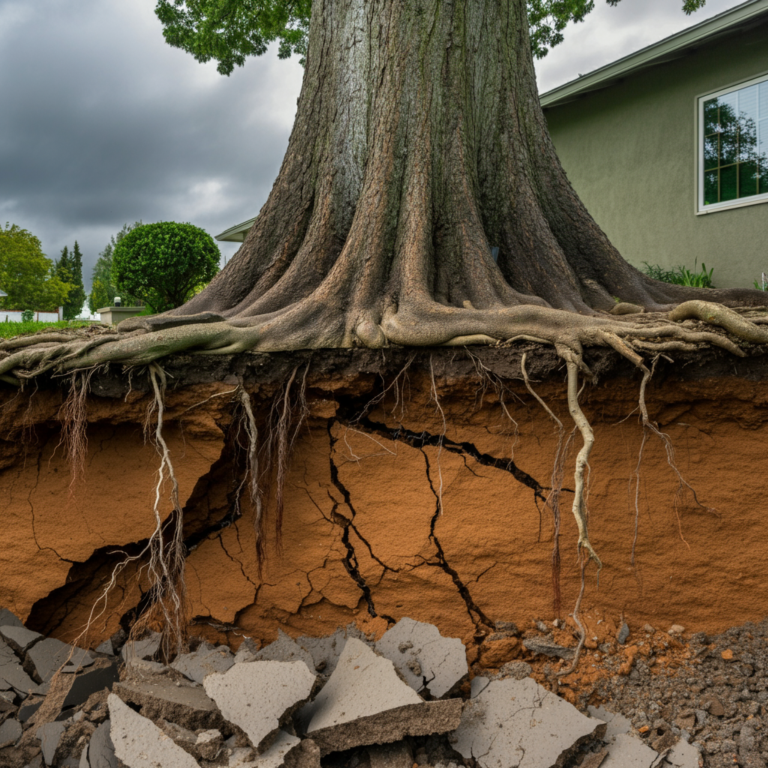
Foundation cracks are perhaps one of the most visible and common problems. These can range from minor surface cracks to large fissures that can compromise your home’s structural integrity.
Causes:
- Settling or shifting soil: When soil moves beneath your home, it exerts uneven pressure on the foundation.
- Temperature fluctuations: Expanding and contracting soil due to wet and dry weather cycles.
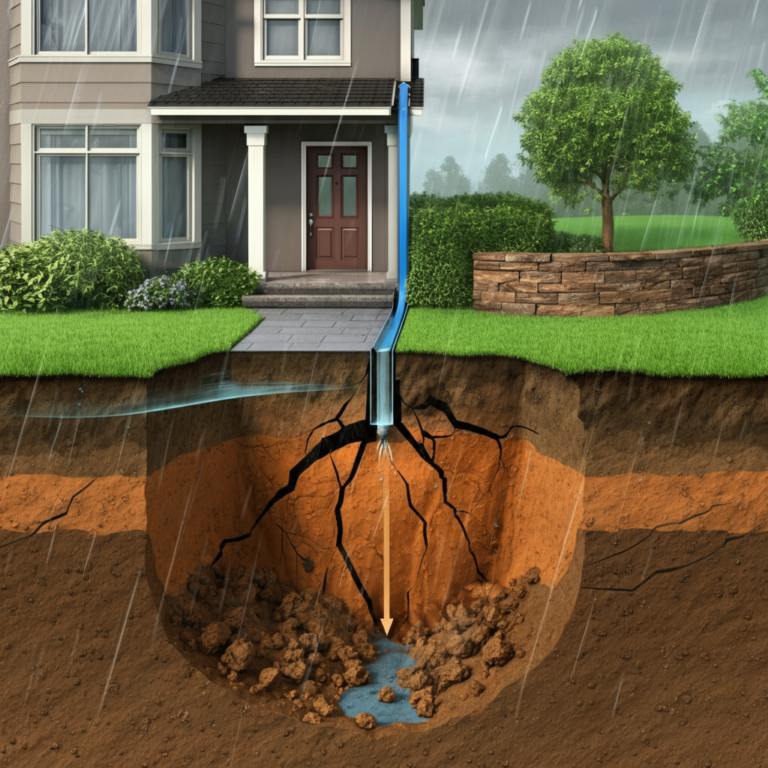
- Water intrusion: Water pooling around your foundation can erode materials over time.
Solutions:
Small, non-structural cracks can often be repaired with epoxy injection. However, larger structural cracks often require underpinning or the use of piers to stabilize and level the foundation.
2. Settling or Sinking Foundation
A sinking foundation occurs when one part of the house settles lower than the rest. This uneven settling can result in sloping floors, misaligned doors, and wall cracks.
Causes:
- Poorly compacted soil when the home was constructed.
- Expansive clay soils that swell with water and shrink during dry periods.
- Excess moisture or poor drainage.
Solutions:
Foundation stabilization methods like helical piers or push piers are commonly used to lift the sinking section back to its original position and provide ongoing support.
3. Bowing or Bulging Basement Walls
If your home has a basement, bowed or bulging walls might be an indication that the walls are under excessive external pressure from surrounding soil.
Causes:
- Soil expansion due to excessive moisture.
- Improper construction techniques or insufficient reinforcements in walls.
Solutions:
Reinforcement systems such as wall anchors, carbon fiber strips, or steel braces can help stabilize the walls and prevent further buckling.
4. Poor Drainage Around the Foundation
Improper drainage can lead to water pooling around your foundation, which weakens it over time and causes issues like cracks and settlement.
Causes:
- Poor grading of the soil around your home.
- Clogged gutters or insufficient downspout extensions.
Solutions:
Installing French drains, regrading the yard, and maintaining clean gutters can drastically improve water flow and protect your foundation from damage.
5. Expanding or Shrinking Soil
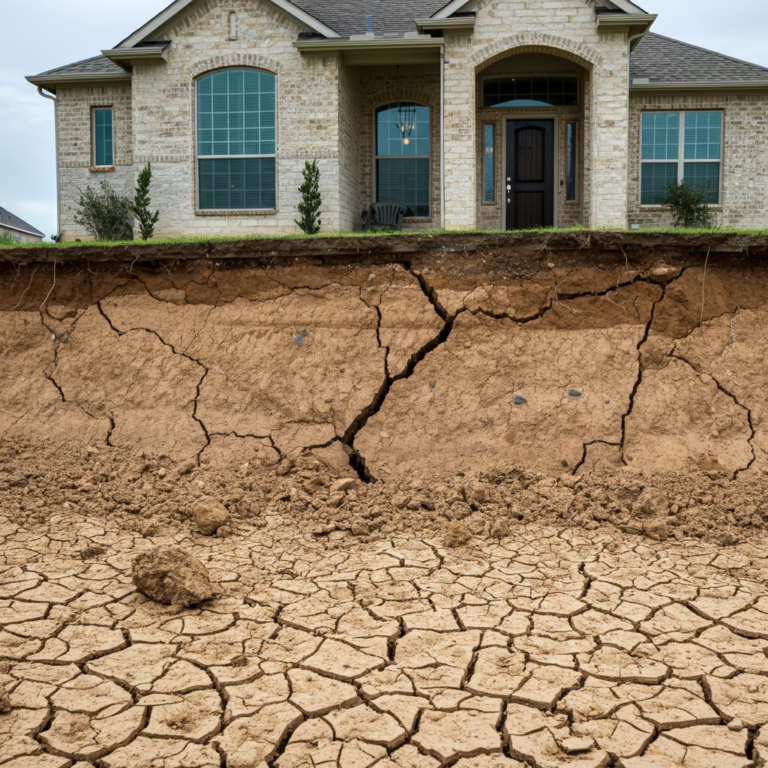
Texas and Louisiana are particularly known for expansive clay soil that absorbs water and swells. When the soil dries out, it shrinks, leaving gaps around the foundation.
Causes:
- Seasonal weather changes.
- Lack of consistent soil moisture.
Solutions:
Moisture control strategies, such as soaker hoses to maintain soil hydration levels, help stabilize the soil. For severe cases, foundation piers or slab underpinning may be necessary.