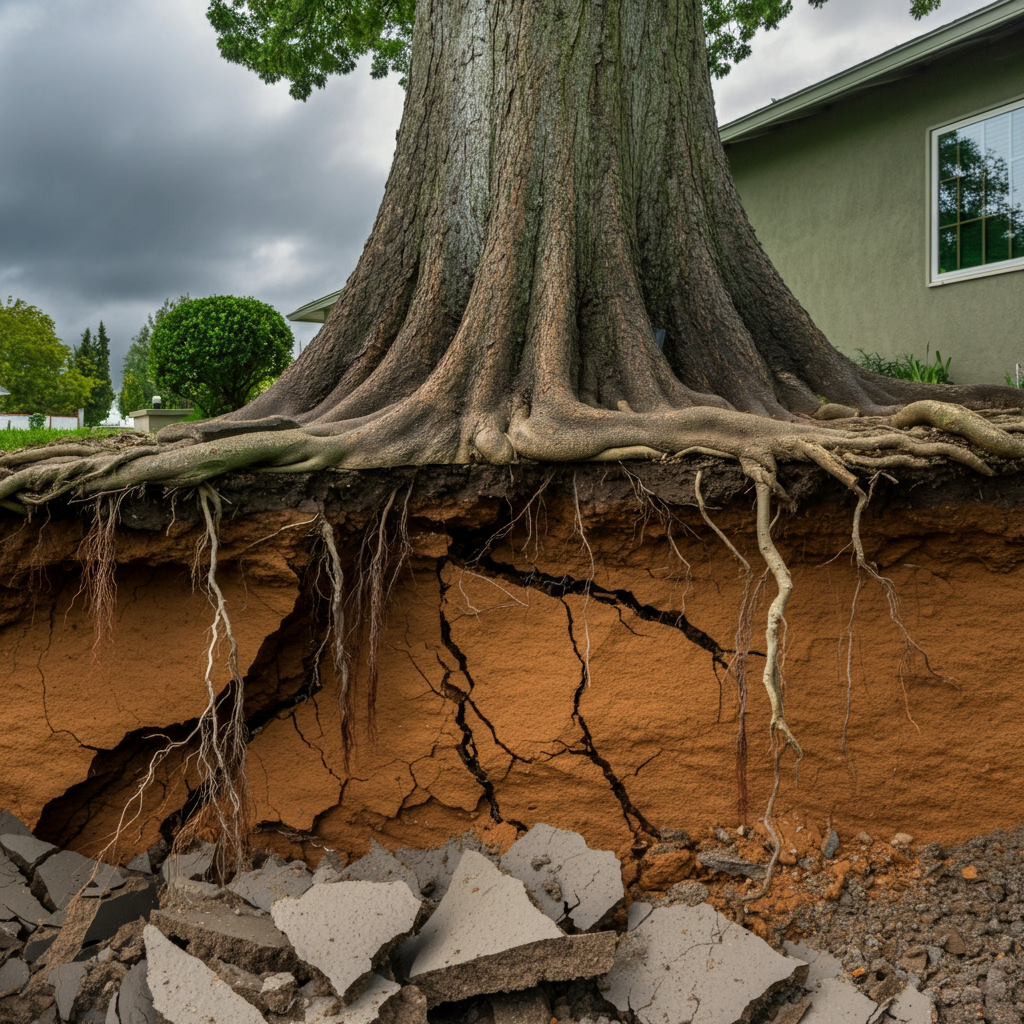
How Tree Roots Can Impact Your Home’s Foundation
The towering trees in your yard may provide shade, beauty, and a sense of calm, but beneath the surface, their roots can silently threaten one of your home’s most vital components: the foundation. Tree roots, seeking water and nutrients, will grow outward and can exert significant force on nearby structures, including foundations, sidewalks, and plumbing lines.
For homeowners in Texas and Louisiana, this issue is amplified by the presence of expansive clay soils, which already make foundations vulnerable to movement. This blog explores how tree roots affect foundations, the warning signs to watch for, and preventative strategies to maintain both your landscape’s beauty and your home’s stability.
How Tree Roots Interact with Foundations
Tree roots don’t “attack” foundations maliciously, but their natural growth patterns often lead to unintentional damage. Understanding these interactions will clarify how they can put your home at risk.
Growth Patterns and Challenges
- Seeking Water Sources: During dry seasons, roots spread far and wide in search of moisture. This can lead them to the moisture-rich soil beneath foundations.
- Root Pressure: Large, mature tree roots can exert pressure against a foundation wall as they grow thicker, causing cracks, instability, or even structural shifts over time.
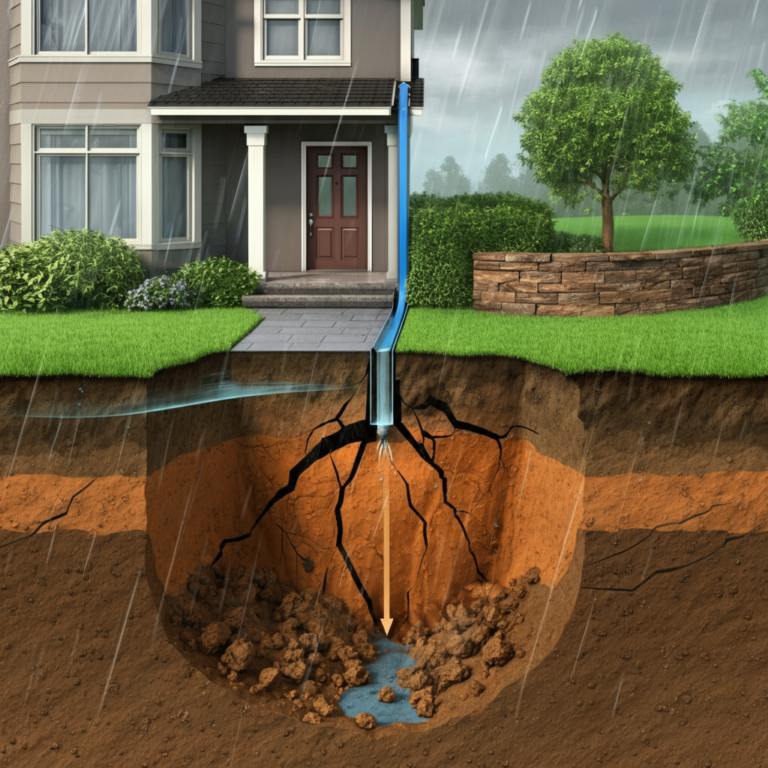
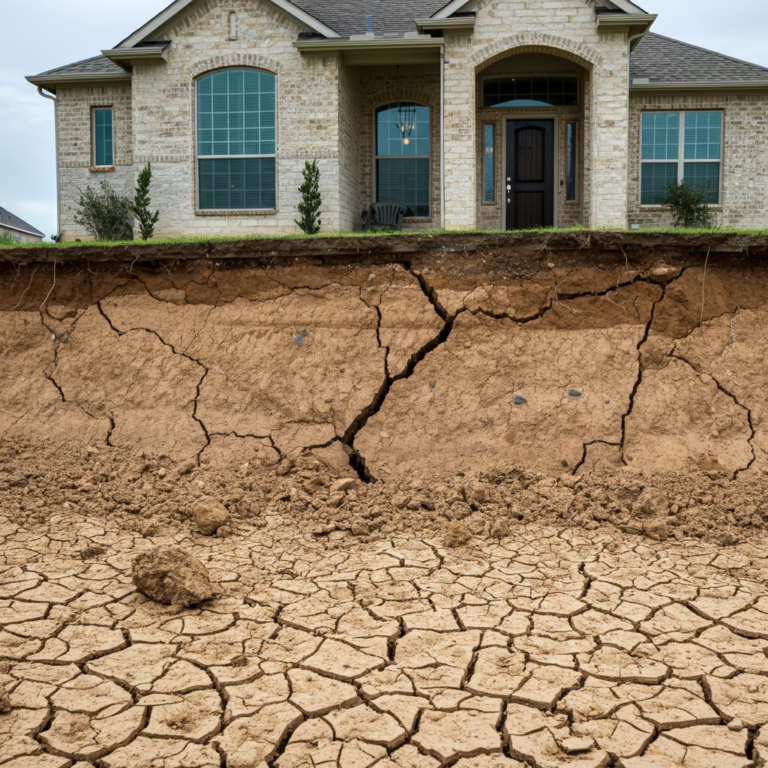
- Moisture Imbalance: Tree roots can absorb water from the surrounding soil, causing it to shrink. This “thirsty soil” effect is particularly problematic in clay-heavy soils, leading to uneven settling of the foundation.
Why Tree Roots Favor Texas and Louisiana Foundations
Trees in Texas and Louisiana face hot, arid summers and occasional heavy rains. This aggressive weather pattern means roots grow deeper and wider to access water, often intersecting with the foundation’s support system. The region’s expansive clay soils only amplify this damage as they react to shrinking moisture levels.
Signs of Tree Root Foundation Damage
It’s not always easy to detect the signs of foundation damage caused by tree roots, but being proactive could save you thousands of dollars in repairs. Key indicators include:
- Visible Cracks: Check for horizontal or stair-step cracks on exterior walls or foundation walls near the tree.
- Uneven Floors: Telltale slopes or dips in a room may signal foundation settling from root-related soil disruption.
- Gaps Between Walls and Floors/Ceilings: The structure may pull apart slightly due to foundation shifts.
- Sticking Doors and Windows: Frames that no longer function properly could indicate movement in the foundation caused by nearby roots.
- Exterior Signs: Uprooted or visible tree roots near your foundation could also signal issues.
Preventing Damage Without Losing Your Trees
Contrary to popular belief, maintaining a beautiful yard doesn’t necessitate sacrificing your home’s stability. An informed approach helps you find a balance.
Choosing Foundation-Safe Trees
Some trees have aggressive root systems that extend far outward, while others are less invasive. When landscaping, consider species with slower or less invasive growth near your home’s foundation.
- Foundation-safe options include: Red maple, dogwood, crepe myrtle, and Eastern redbud.
- Aggressive roots to avoid: Willow, cottonwood, silver maple, and oak. These species can grow roots that span two to three times the width of their canopy.
Plant Trees at Safe Distances
A general rule is to plant trees at a distance no less than 1.5 times their expected full-grown height. For example, if a tree grows 40 feet tall, plant it at least 60 feet from your home to ensure the roots don’t reach your foundation.
Root Barriers
Installing root barriers is one of the most effective ways to prevent root intrusion. These barriers guide roots away from vulnerable areas, forcing them to grow in safer directions.
- Physical Barriers: Made of durable plastic or metal, these are buried vertically between the tree and the foundation.
- Chemical Barriers: These inhibit root growth in specific areas without harming the tree itself.
Strategic Watering
Tree roots seek water aggressively, especially during dry periods. Ensure your tree has adequate water through regular irrigation away from your foundation to prevent overgrowth of invasive roots.
Removing Problematic Trees
If a tree is old, decaying, or causing serious damage, removal may be unavoidable. Work with licensed arborists and foundation experts to confirm that removing the tree won’t cause the surrounding soil to destabilize further.
Repair Solutions for Foundation Damage from Tree Roots
If your foundation has already sustained damage due to tree roots, prompt repair is essential to prevent further problems from escalating. Here are some solutions Alterri Henri Foundation Repair & Construction specializes in.
1. Tree Root Removal and Soil Reinforcement
To resolve ongoing issues, the invasive roots must first be removed. After removing the problematic roots, soil stabilization techniques such as chemical treatments or cohesive soil infill may be used to restore balance.
2. Foundation Crack Repair
For minor damage caused by root pressure, epoxy injections or carbon fiber reinforcement straps can stabilize existing cracks and prevent further spreading.
3. Piering and Underpinning Solutions
When damage is more severe, and parts of the foundation have shifted, helical piers or steel underpinning systems may be necessary to stabilize and restore the structure to a level position. These solutions bypass weakened soil entirely, offering long-term support on more stable layers underneath.
4. Drainage System Adjustments
If tree roots caused moisture absorption issues, correcting water flow around the home with French drains, adjusted grading, and downspout extensions can prevent future soil shrinkage.
Real-Life Case Study
A homeowner in Shreveport faced major foundation settling caused by a mature oak tree growing too close to their porch. Cracks developed on the exterior walls, and their front door stopped closing properly. Alterri Henri Foundation Repair & Construction installed root barriers and steel piers and corrected the existing slopes using underpinning techniques. The porch and foundation stabilized, and the homeowners were able to preserve the tree due to the barrier.
Proactive Maintenance for Peace of Mind
Managing your trees proactively will save you from costly foundation repairs in the future. A specialist team like Alterri Henri Foundation Repair & Construction can help assess your property’s unique landscaping and make tailored recommendations for root containment and foundation care.
If you suspect tree roots are compromising your foundation or want advice on how to landscape safely, contact Alterri Henri Foundation Repair & Construction today. Our experts will assess your foundation and provide customized solutions to protect both your home and your beautiful trees.