The Importance of Proper Drainage for Your Home’s Foundation
Your home’s foundation is its backbone, supporting the entire structure and ensuring its longevity. However, even the strongest foundations are vulnerable to one of their biggest enemies: water. Poor drainage can wreak havoc on your home’s foundational support system, leading to cracks, settling, and severe structural instability. For homeowners in Texas and Louisiana, where clay-heavy soils meet heavy rainfall, understanding the role of proper drainage is not just important, it’s essential.
This comprehensive guide explains why drainage is crucial for your foundation’s health, highlights common drainage issues, and shares practical solutions to safeguard your home.
Why Proper Drainage is Crucial for Foundation Health
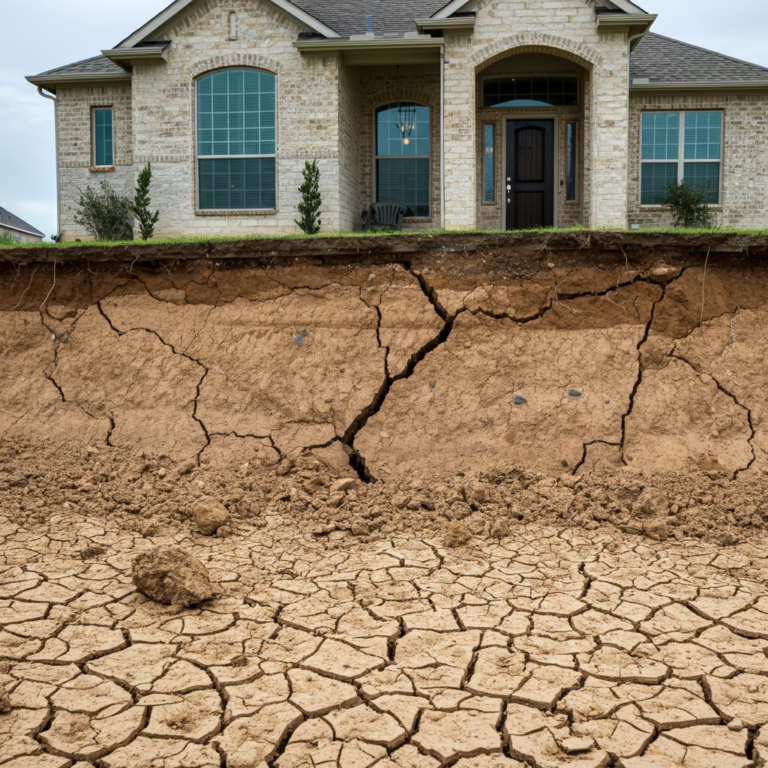
Water is a powerful force. While it’s necessary for life, excess water around your home can be catastrophic for your foundation. Poor drainage doesn’t just damage your foundation in the short term; it creates long-term, progressive issues that can lead to costly repairs if not addressed.
Key Impacts of Poor Drainage:
- Hydrostatic Pressure: Standing water creates pressure against your foundation walls. Over time, this pressure can lead to cracks and bowing walls.
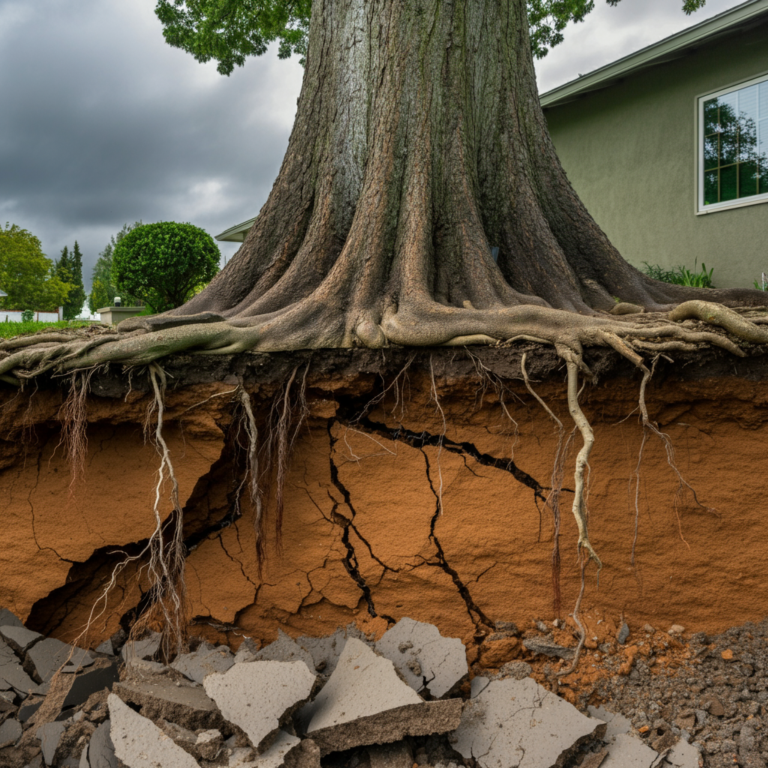
- Erosion of Supporting Soil: Water washes away the soil that supports your foundation, leading to uneven settling or sinking.
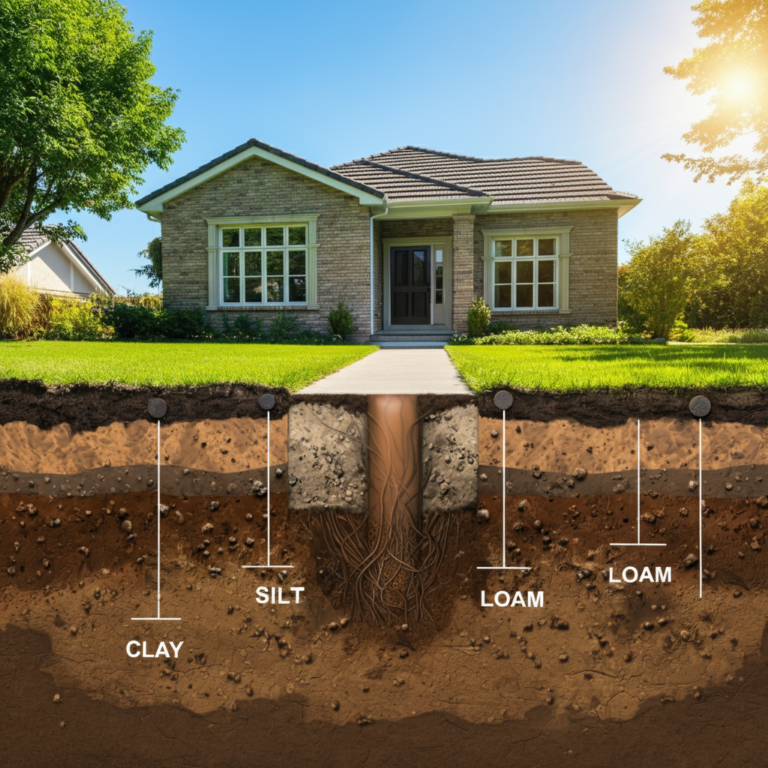
- Expansive Soil Movement: Clay soils swell when wet and shrink as they dry, causing your foundation to move or develop gaps.
- Mold and Mildew Growth: Excess moisture caused by poor drainage creates the perfect environment for mold, putting your home’s integrity and your family’s health at risk.
Proper drainage systems act as your first line of defense against these potentially devastating issues.
Regional Challenges in Texas and Louisiana
Homeowners in Texas and Louisiana face unique drainage challenges due to the combination of heavy rainfall, flat terrain, and expansive clay soils. These factors create a perfect storm for water accumulation, which often leads to foundation problems.
- Rainfall: Coastal areas in these states frequently face hurricanes and storms that dump water onto already saturated land.
- Expansive Clay Soil: Clay expands when wet and contracts when dry, creating ongoing stress and instability for foundations.
Common Drainage Problems Around Foundations
There are several factors that can prevent proper water drainage from your home’s foundation. Here are the most common culprits.
- Improper Grading: Your yard should slope away from your house. If it does not, water pools near the foundation, seeping into the structure over time.
- Clogged Gutters and Downspouts: Improper drainage from clogged or poorly directed gutters causes water to spill directly onto your foundation.
- Poorly Designed Drainage Systems: Without a holistic drainage approach, water problems can worsen. Surface water, subsurface water, and localized flooding need tailored solutions.
Warning Signs of Drainage Issues
Early detection of drainage problems can save you thousands. Here are the signs to watch for in your home.
- Puddles that remain near the base of your home after rainstorms
- Cracks in foundation walls or floors
- Uneven flooring or jammed doors
- Mildew odors from crawl spaces or basements
Top Solutions for Proper Home Drainage
Thankfully, several solutions can help manage and redirect water away from your home’s foundation.
1. Installing French Drains
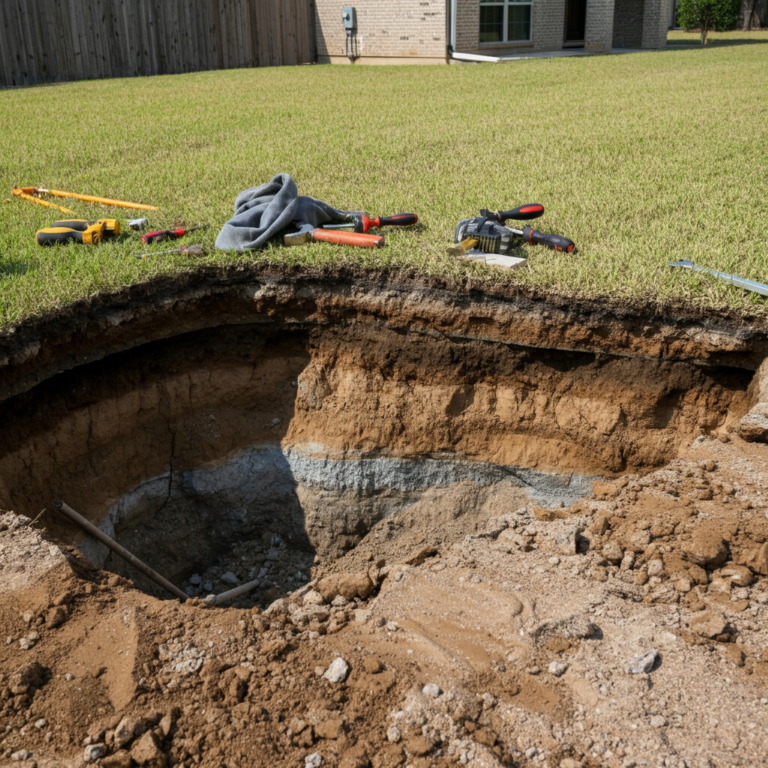
A French drain is essentially a gravel-filled trench with a perforated pipe at the base. It redirects water away from your home to prevent pooling. French drains are ideal for properties with heavy rainfall or waterlogged soils.
How It Works:
- Water seeps into the gravel and enters the perforated pipe.
- The pipe carries the water to a designated drainage area, such as a storm drain or dry well.
2. Maintaining Gutters and Downspouts
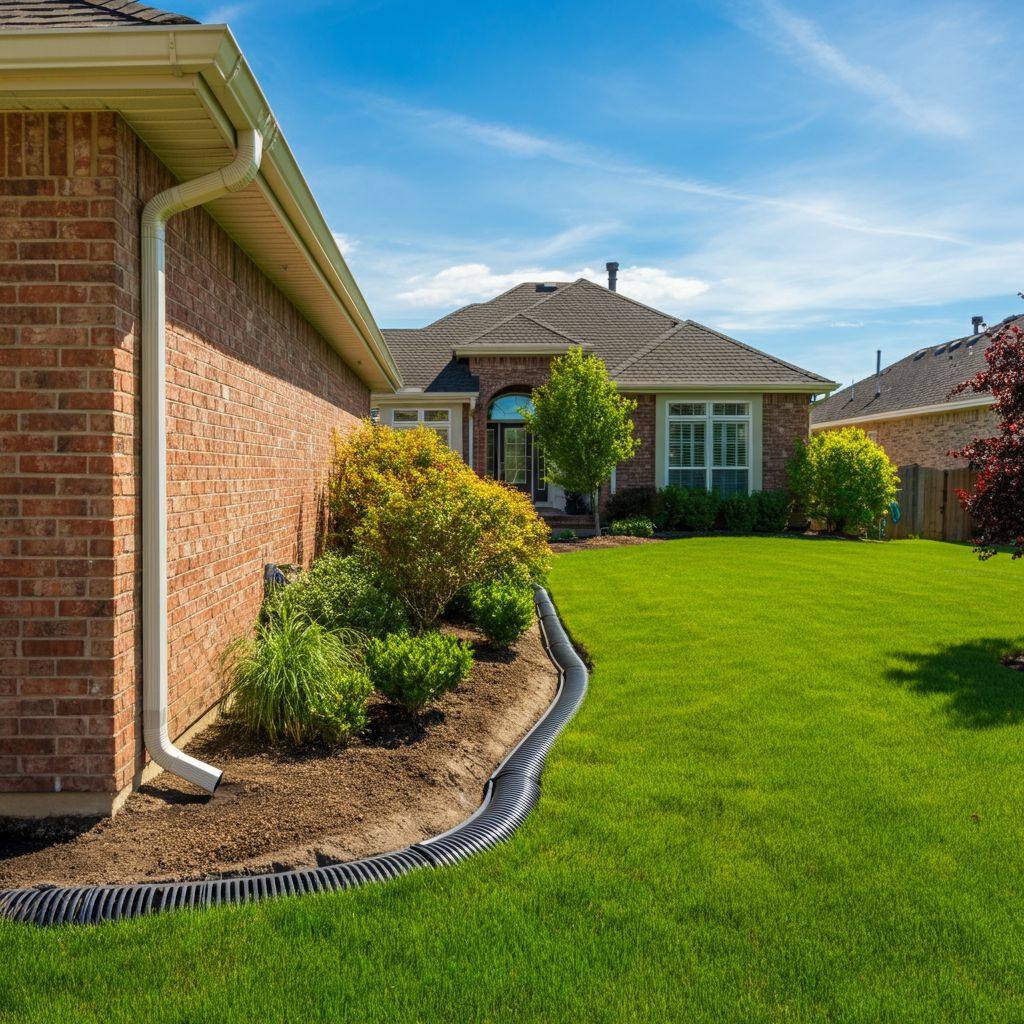
Gutters and downspouts provide a simple yet effective way to manage rainwater. Keep them clean and ensure downspouts extend far enough to direct water well away from the foundation.
Best Practices:
- Clean gutters at least twice a year to prevent clogs.
- Install splash blocks or downspout extensions for added protection.
3. Adjusting Your Yard’s Grading
Regrading ensures that your yard slopes away from your home’s foundation. Aim for a slope ratio of six inches over 10 feet.
Pro Tip: Use professional landscapers or geotechnical experts to ensure the grading is safe and effective.
4. Surface and Subsurface Drains
If regrading isn’t an option, install surface drains (like trench drains) combined with subsurface drains for maximum water management.
5. Regular Maintenance
From inspecting your foundation regularly to performing routine inspections of drainage systems, maintenance is critical for preventing water damage.
Real-Life Case Study
One client in Baton Rouge experienced devastating foundation settling due to poorly maintained gutters and inadequate grading. Their home developed visible cracks on exterior walls and uneven floors. We installed a French drain system, regraded their yard, and upgraded their gutter system. The result prevented further settling and restored stability.
Long-Term Benefits of Proper Drainage
Investing in proper drainage systems doesn’t just protect your foundation—it enhances your home’s overall value and longevity. Homes with good drainage sell faster and often at higher prices in competitive markets.
Don’t wait for water damage to ruin your home’s foundation. Contact Alterri Henri Foundation Repair & Construction today for a thorough foundation inspection and tailored drainage solutions. Protect your investment and enjoy peace of mind for years to come.