Understanding Soil’s Role in Foundation Health
The foundation of your home is only as strong as the ground it rests upon. Soil composition, moisture levels, and movement can significantly impact the longevity and stability of your home’s foundation. Homeowners in Texas and Louisiana must consider the unique soil challenges of their regions, including expansive clay and silt-heavy soil types. This blog dives deep into how soil conditions affect a foundation, common issues caused by problematic soils, and actionable steps to mitigate risks.
The Big Role of Soil in Foundation Stability
Not all soil is created equal, and its characteristics directly affect how well your home’s foundation performs. Soil acts as the supportive layer for the entire structure, meaning any instability or variation in the soil can translate into problems for the foundation.
Key Factors of Soil Impacting Foundations
- Bearing Capacity: Soil must have the strength to support the weight of your house.
- Settlement: Soft soils tend to compact under pressure, leading to uneven settling of the foundation.
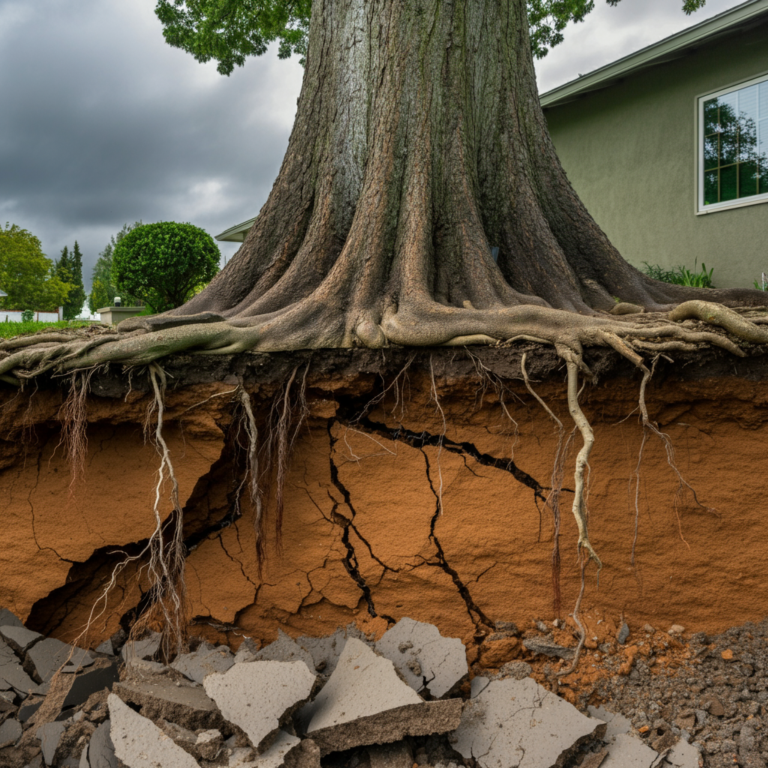
- Moisture Fluctuation: Expansive soils swell when wet and shrink when dry, moving the foundation unpredictably.
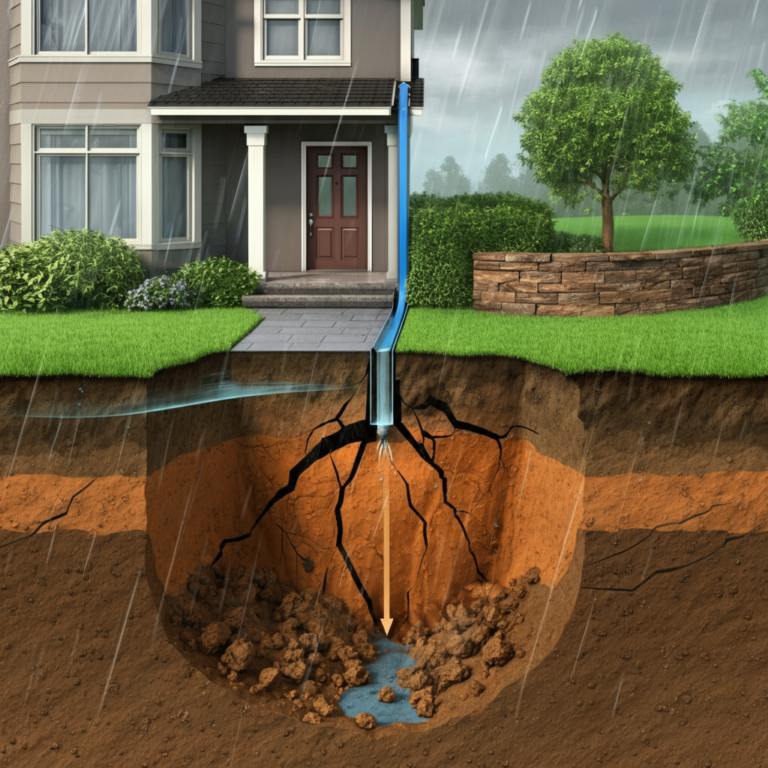
- Drainage Characteristics: Improper water absorption can lead to flooding or instability in the foundation.
Common Soil Types in Texas and Louisiana
Homeowners in these regions deal with an array of soil compositions, each presenting its own set of challenges.
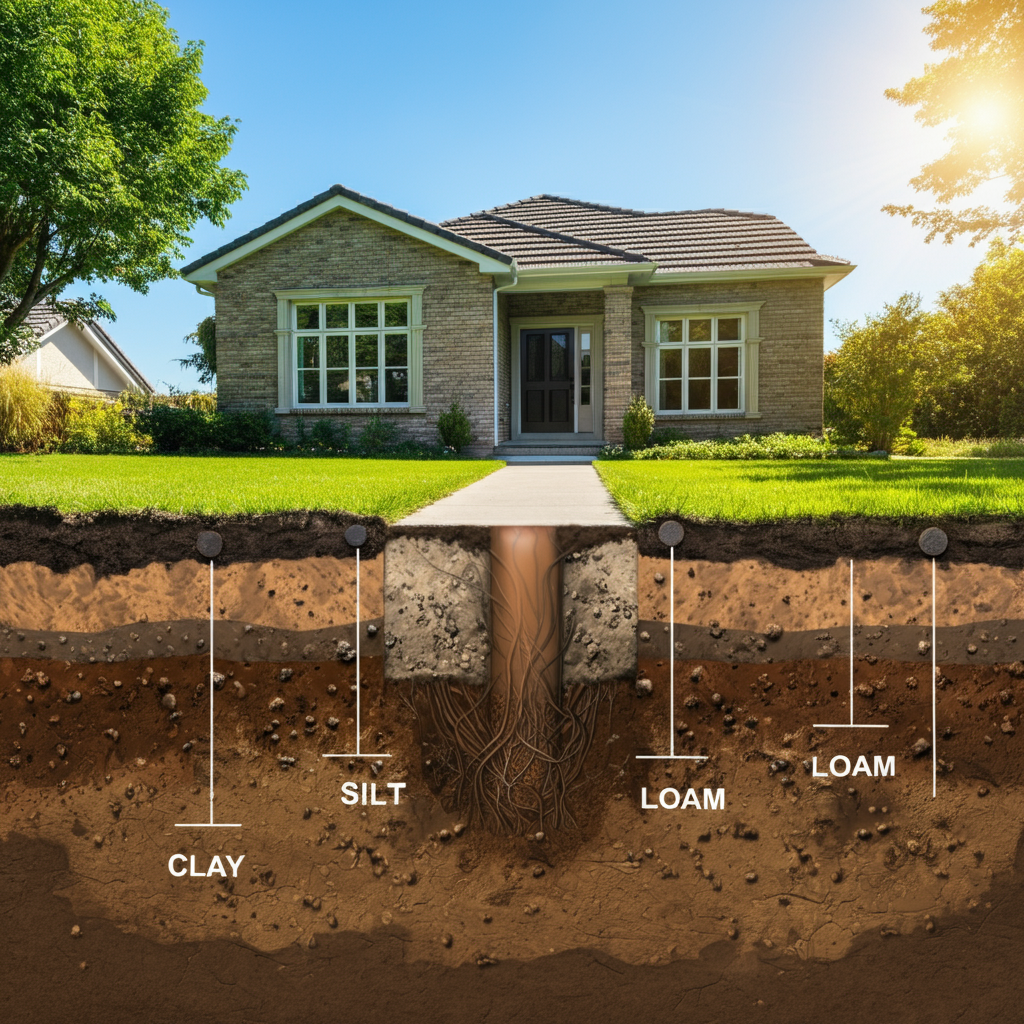
- Clay Soil
- Found commonly in both states, clay soil is expansive and prone to swelling and shrinking during rain and drought cycles. Foundations on clay are highly susceptible to cracks and movement.
- Loam
- A healthier blend of clay, sand, and silt, loam offers good drainage and minimal expansion, making it an ideal soil for foundations.
- Silt Soil
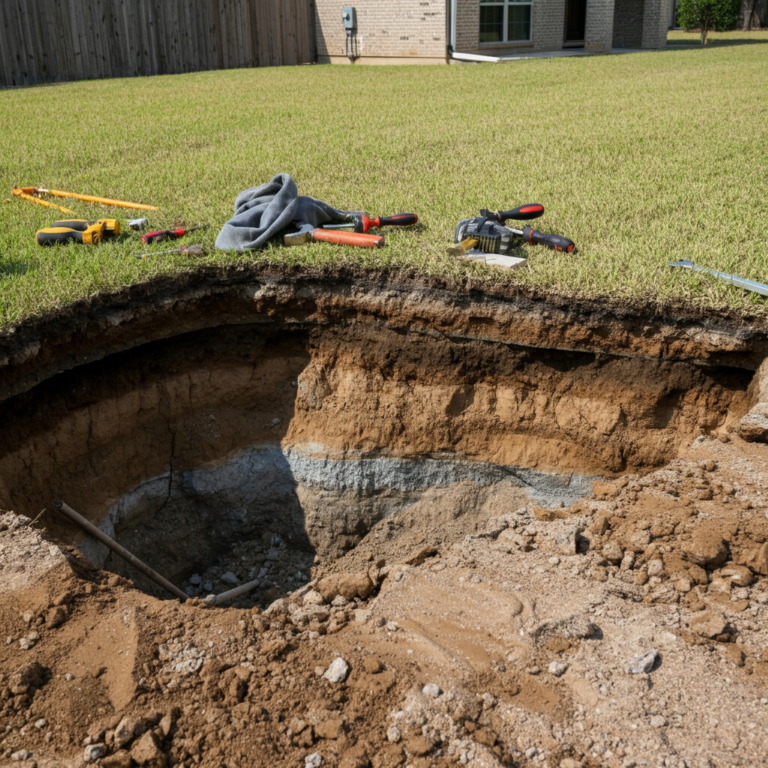
- Silt retains water for long periods, which can lead to structural settling and erosion over time as the soil shifts.
- Sandy Soil
- While offering excellent drainage, sandy soil doesn’t retain its shape, making it less supportive for foundations without proper reinforcement.
Signs of Soil-Related Foundation Problems
Noticing early signs of damage caused by soil movement can save thousands of dollars in repairs. Here are some warning indicators to watch for:
- Visible gaps between your home and the ground
- Vertical or diagonal cracks on exterior walls
- Floors that sag or feel uneven
- Doors and windows that jam or won’t close properly
Proven Soil Solutions to Protect Foundations
Given the challenges unique to regions like Texas and Louisiana, homeowners must take a proactive approach to mitigate soil-related risks.
1. Soil Stabilization
Treating the soil beneath your foundation with lime or cement can harden and stabilize expansive soils, reducing the risk of excessive swelling or shrinking.
2. Proper Grading
Ensure that the land around your home slopes away to keep water from pooling near the foundation. Correct grading prevents major water ingress.
3. Moisture Management
Install irrigation systems and French drains to normalize moisture levels, particularly in clay-based soils that react to moisture extremes.
4. Foundation Piers
For areas with extreme soil movement, installing piers beneath the foundation can provide extra support, bypassing unstable soil layers for deeper stability.
Real-Life Success Stories
A homeowner in Houston faced recurring cracks in their foundation due to expansive clay. By implementing a combination of soil stabilization and French drains, we ensured durability and prevented further structural damage. The property was stable within weeks.
Education is Key
Understanding your soil’s role in the performance of your home’s foundation isn’t just good practice; it’s essential for long-term durability. Alterri Henri Foundation Repair & Construction specializes in identifying and addressing soil-related challenges with science-backed solutions tailored to local conditions.
Have concerns about your home’s soil conditions? Contact Alterri Henri Foundation Repair & Construction today to schedule a professional assessment. Protect your home from the ground up!